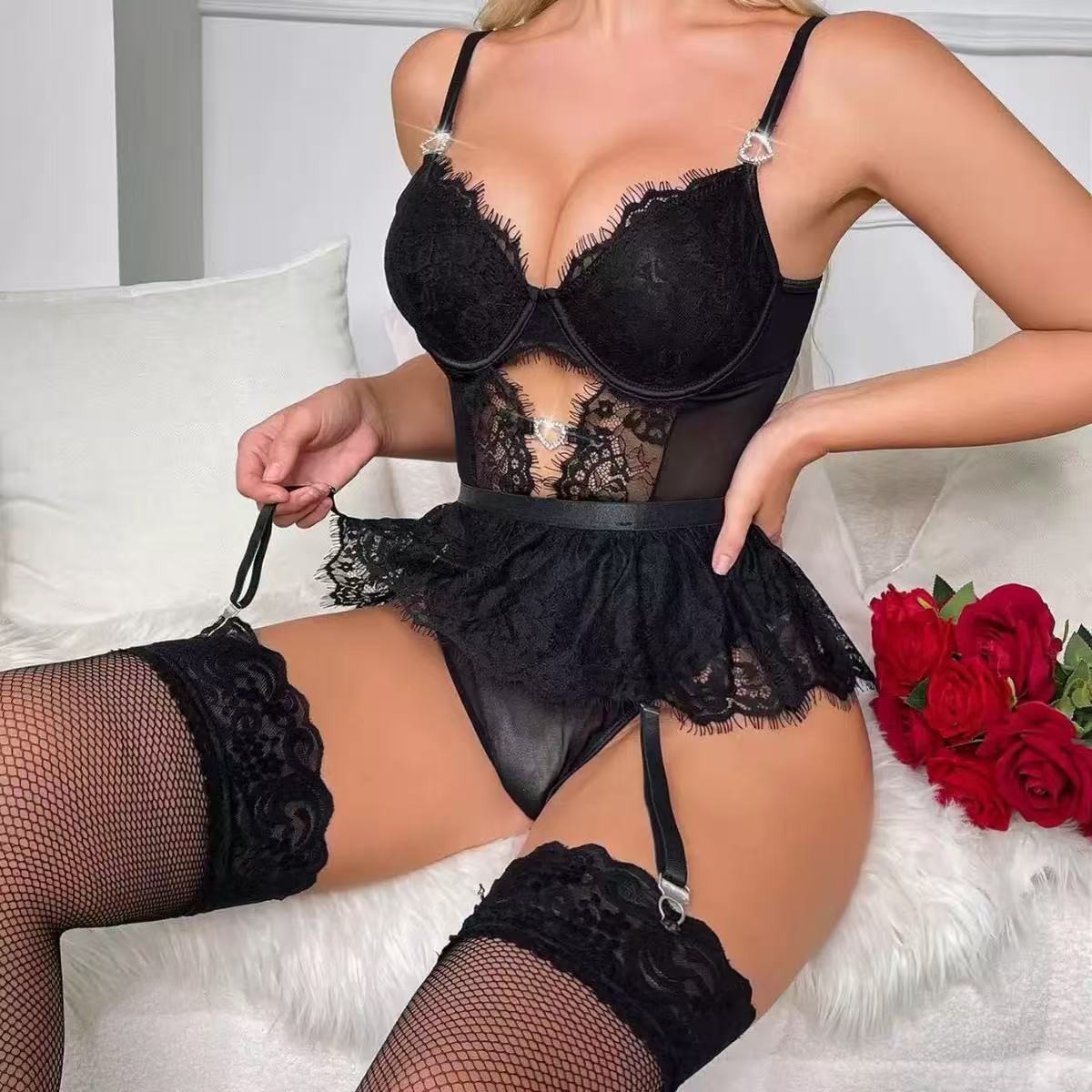
Lingerie can be a profitable boutique category because it supports both everyday demand and special occasion shopping. Customers may buy lingerie for comfort, confidence, sleepwear, layering, gifts, vacations, or seasonal promotions. For retailers buying wholesale lingerie, the strongest assortment should balance wearable basics, feminine details, size variety, and trend-led pieces.
Before buying lingerie wholesale, boutiques should think about why their customers shop the category. Some shoppers want comfortable everyday undergarments, while others are looking for special occasion pieces, sleepwear, shapewear-inspired styles, or giftable sets. A clear buying plan helps prevent the assortment from becoming too random.
A boutique with a soft feminine style may perform well with lace bralettes, chemises, satin sleepwear, and delicate sets. A trend-driven boutique may need mesh, cutout details, corset-inspired styles, and statement colors. A store focused on practical add-ons may sell more seamless pieces, basic bras, panties, and comfortable sleepwear.
A balanced lingerie buy should include several style groups. Bra and panty sets are easy to merchandise and often make good gift items. Babydoll and chemise styles create a softer, romantic look. Teddies and bodysuit-inspired lingerie can connect well with customers who also buy fashion bodysuits and night-out pieces.
Corsets and bustier styles can bring stronger visual impact and may work well for boutiques that sell partywear, denim, skirts, and layered outfits. Sleepwear, robes, gowns, stockings, and hosiery can expand the category and help shoppers build a complete look instead of buying only one item.
Lingerie needs to look attractive, but comfort is what makes customers return. Soft lining, adjustable straps, elastic support, smooth seams, stretch fabrics, and accurate sizing are important details. If a piece looks good in photos but feels uncomfortable, it may create returns or low repeat purchase.
When reviewing wholesale lingerie, check the size range, cup coverage, waistband stretch, strap adjustability, closure type, and fabric recovery. For online stores, fit notes are especially important because customers cannot try the item before buying. Clear product information helps shoppers feel more confident.
Fabric choice should match the selling purpose of each style. Lace adds feminine detail and works well for special pieces. Mesh creates a lighter, trendier look. Satin and silk-like fabrics are useful for sleepwear, robes, and giftable sets. Cotton blends and soft stretch fabrics are better for comfort-focused basics.
For shaping or supportive styles, buyers should look for firm but comfortable stretch. For sleepwear, the fabric should feel soft against the skin. For fashion lingerie, visual details such as embroidery, sheer panels, straps, bows, and texture can help the item stand out in photos and displays.
Core colors should form the base of the lingerie assortment. Black, white, ivory, nude, blush, and red are usually the easiest to understand and merchandise. These colors work well for basic sets, gift items, and occasion-focused styles.
Seasonal colors can make new arrivals feel fresh. Burgundy, emerald, navy, chocolate, pink, lavender, and soft pastels can be useful depending on the season and customer base. Boutiques should test bold colors in smaller quantities first, then reorder the best performers.
Lingerie sells best when the boutique presents it clearly and tastefully. Instead of placing every item together, group styles by customer need: everyday comfort, bridal-inspired pieces, sleepwear, gift sets, vacation lingerie, and statement styles. This makes shopping easier and gives customers a reason to browse more than one section.
Online product descriptions should include fabric, stretch level, closure, strap adjustability, lining, size notes, and styling ideas. Photos should show front, back, close-up fabric details, and any important design features. Good information can reduce hesitation and improve conversion.
Lingerie can support other boutique categories. A lace bodysuit-style piece can be styled with jeans or a blazer. A satin robe can be paired with sleepwear. A bralette can be layered under sheer tops, cardigans, or oversized shirts. This makes lingerie useful beyond one isolated section.
For wholesale buyers, the goal is to create a category that feels both attractive and practical. When boutiques balance comfort, fit, fabric, color, and occasion, lingerie can become a strong repeat-purchase category with steady add-on potential.
Hot Search: Wholesale Dresses Dear Fashion Wholesale Swimwear Sexy Club Dresses Wholesale Two Piece Sets
Wholesale Jumpsuits Wholesale Women's Plus Size Clothing Wholesale Womens Tops lovely wholesale 7 Plus Size Camouflage Dresses plus size sheer dress plus size leather lingerie plus size christmas lingerie plus size sequin romper plus size crotchless panties Wholesale Shorts wholesale denim jackets custom face swimsuit wholesale plus size clothing 4x 5x 6x green plus size lingerie army fatigue outfits wholesale loungewear bulk crop tops wholesale bodysuits custom one piece swimsuit wholesale gothic clothing plus size clothing 6x 7x wholesale plus size sexy black dress Black Leather Lingerie