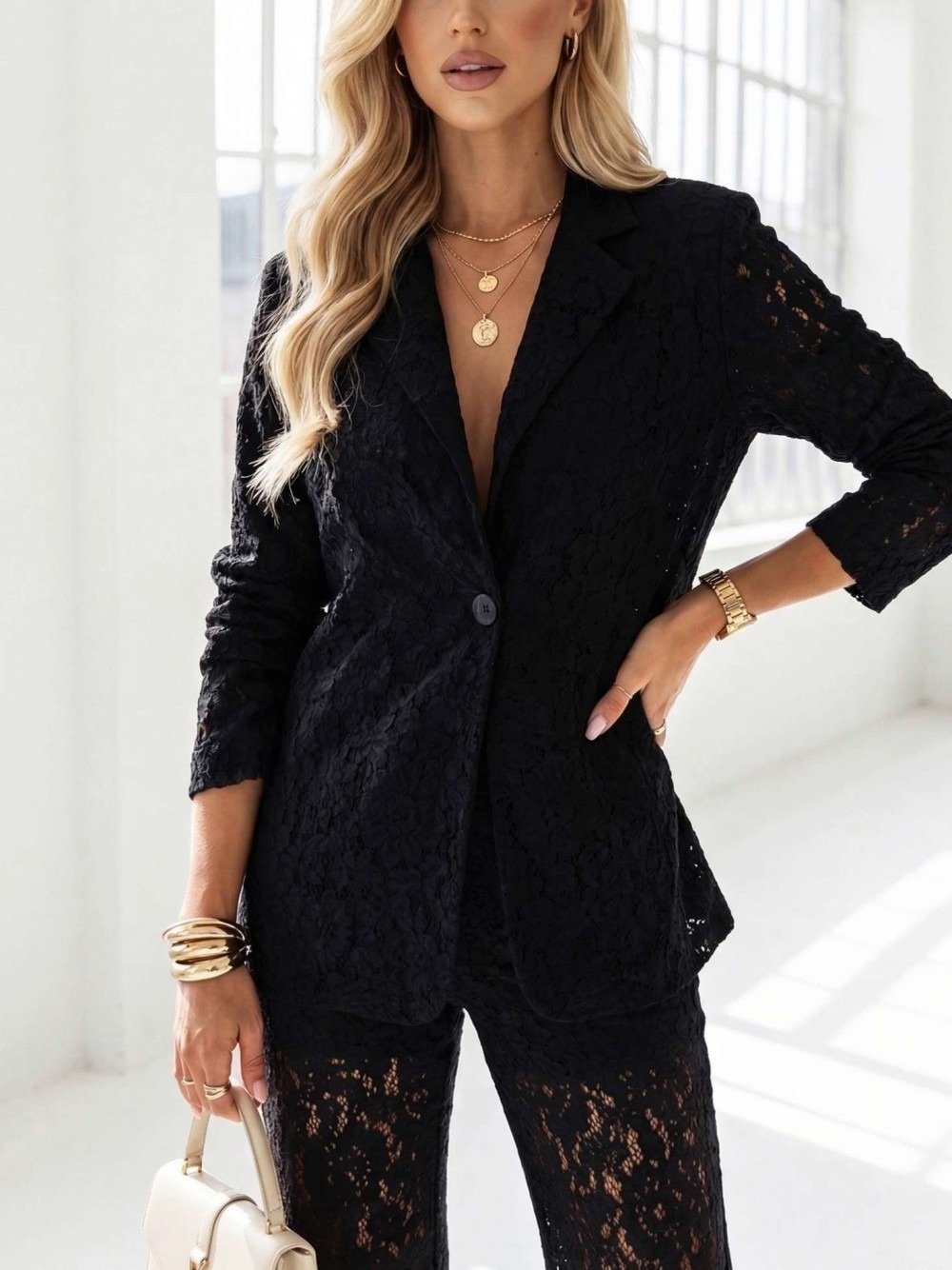
Blazers are one of the most versatile categories in boutique fashion. Customers can wear them with jeans, skirts, dresses, trousers, shorts, and matching sets for work, travel, dinner, or everyday styling. For retailers buying wholesale blazers, the best assortment should combine polished basics with casual and statement styles.
A strong boutique blazer collection should include several useful style groups. Tailored blazers create a polished look for workwear, meetings, dinners, and formal occasions. Relaxed blazers feel more casual and can be worn with denim, sneakers, tanks, and everyday tops.
Cropped blazers work well with high-waist jeans, trousers, skirts, and dresses. Oversized blazers bring a modern streetwear look and can be layered over fitted outfits. Double-breasted styles feel structured, while single-breasted designs are often easier for daily wear. A boutique does not need every style, but it should offer enough variety for different customer preferences.
Fabric affects the fit, comfort, structure, and perceived value of a blazer. Polyester blends, rayon, spandex blends, linen-look fabrics, tweed, corduroy, faux leather, and lightweight woven materials can all work for different seasons and occasions.
Lightweight fabrics are useful for spring, summer evenings, travel, and indoor office styling. Structured woven fabrics can create a sharper silhouette for workwear. Tweed, corduroy, faux leather, and heavier blends are better suited to fall and winter collections.
When reviewing wholesale blazers, check the lining, shoulder construction, sleeve finishing, button quality, pocket stitching, and overall drape. The blazer should feel comfortable when worn over a top or lightweight sweater.
Fit is especially important because blazers are usually layered over other clothing. Customers need enough room through the shoulders, bust, and arms, but the garment should still maintain a clean shape.
Regular-fit blazers are usually the safest starting point. Oversized blazers can attract trend-focused shoppers, while slim-waist or fitted styles may appeal to customers who prefer a more defined silhouette. Cropped styles should end at a flattering point around the waist or upper hip.
Product descriptions should explain whether the blazer is fitted, relaxed, oversized, cropped, stretchy, lined, or structured. Clear measurements for shoulder width, sleeve length, bust, and total length can make online shopping easier.
Blazers should not be limited to office outfits. Casual styling is a major opportunity for boutiques because customers can wear a blazer with jeans, leggings, shorts, skirts, or simple dresses.
For workwear, choose clean lines, neutral colors, classic lapels, and moderate structure. For casual collections, consider relaxed cuts, rolled sleeves, patch pockets, soft fabrics, and lighter colors. Statement blazers can include lace, jacquard, embroidery, metallic details, prints, or decorative buttons.
Neutral colors should form the base of the collection. Black, white, beige, camel, grey, navy, brown, and olive are easy to coordinate with existing boutique clothing. These shades can work across workwear, casualwear, and transitional seasons.
Seasonal colors can bring more energy to new arrivals. Burgundy, rust, chocolate, forest green, dusty pink, lavender, and cobalt blue can create a stronger seasonal direction. Prints such as houndstooth, plaid, stripes, florals, and abstract patterns can also attract attention, but they are best tested in smaller quantities.
Small construction details can make a blazer feel more distinctive. Look for quality lapels, decorative buttons, shoulder pads, tie waists, belt details, patch pockets, rolled cuffs, contrast trims, lace panels, and textured fabrics.
Statement details should still be wearable. A blazer with a fashionable feature is easier to sell when customers can style it with simple basics. Boutiques should balance special details with classic silhouettes so the collection does not become too difficult to coordinate.
Blazers sell better when customers can see how to wear them. Pair a tailored blazer with trousers and a blouse for a polished look. Style a relaxed blazer with jeans and a fitted top. Layer a cropped blazer over a dress or bodysuit. Show oversized blazers with leggings, skirts, or wide-leg pants.
Online product photos should include the front, back, side, lapel, buttons, cuffs, pockets, lining, and fabric texture. A worn-on-body photo is useful because it shows the shoulder fit, sleeve length, and overall proportion.
Spring and summer collections can include lightweight blazers, linen-look fabrics, lace details, pastel colors, short sleeves, and cropped silhouettes. Fall collections can shift toward tweed, plaid, corduroy, faux leather, darker colors, and heavier fabrics.
Transitional blazers are especially useful because customers can wear them over tanks, tees, dresses, and lightweight knitwear. They help boutiques extend the selling life of the category instead of limiting blazers to one short season.
A blazer can raise the perceived value of a basic outfit. A simple top and jeans can look more polished with the right jacket. A dress can become suitable for work or dinner with a tailored layer. This makes blazers useful add-on products for many other boutique categories.
Display blazers near jeans, dresses, trousers, skirts, and matching sets. Online collections can group them by workwear, casual layering, date-night outfits, fall fashion, and event dressing.
The best wholesale blazer collection includes classic neutral styles, relaxed everyday options, seasonal fabrics, and a few statement designs. Boutiques should avoid buying only formal blazers or only oversized trend pieces.
When retailers balance fit, structure, fabric, color, season, and styling potential, blazers become one of the most flexible categories in the store. They help customers create complete outfits and give boutiques strong opportunities for add-on sales and repeat purchases.
Hot Search: Wholesale Dresses Dear Fashion Wholesale Swimwear Sexy Club Dresses Wholesale Two Piece Sets
Wholesale Jumpsuits Wholesale Women's Plus Size Clothing Wholesale Womens Tops lovely wholesale 7 Plus Size Camouflage Dresses plus size sheer dress plus size leather lingerie plus size christmas lingerie plus size sequin romper plus size crotchless panties Wholesale Shorts wholesale denim jackets custom face swimsuit wholesale plus size clothing 4x 5x 6x green plus size lingerie army fatigue outfits wholesale loungewear bulk crop tops wholesale bodysuits custom one piece swimsuit wholesale gothic clothing plus size clothing 6x 7x wholesale plus size sexy black dress Black Leather Lingerie